
Introduction
Leadership is a critical element of personal and professional success. Effective leadership drives results, motivates teams, and fosters growth across business, politics, education, and community initiatives.
Leadership is more than holding a position of authority; it is about influencing, guiding, and creating a vision that inspires others. Individuals can make a lasting impact by developing leadership skills and demonstrating essential leadership qualities.
This guide provides a comprehensive overview of leadership qualities, skills, and effective leadership principles, organized with SEO-focused headings and repeated keywords for clarity.
What is Leadership?
Leadership is the ability to guide, influence, and motivate others toward a shared goal. True leadership combines vision, decision-making, communication, and empathy, balancing authority with collaboration and strategy with adaptability.
Leadership applies across contexts—from workplace teams to communities, organizations, and personal projects—fostering clarity, cohesion, and productivity.
Importance of Leadership
Effective leadership impacts both personal and organizational success:
-
Goal Achievement: Guides teams toward objectives.
-
Motivation & Inspiration: Encourages peak performance.
-
Team Development: Enhances growth, skills, and teamwork.
-
Decision Making: Enables informed, timely choices.
-
Organizational Success: Influences culture, growth, and reputation.
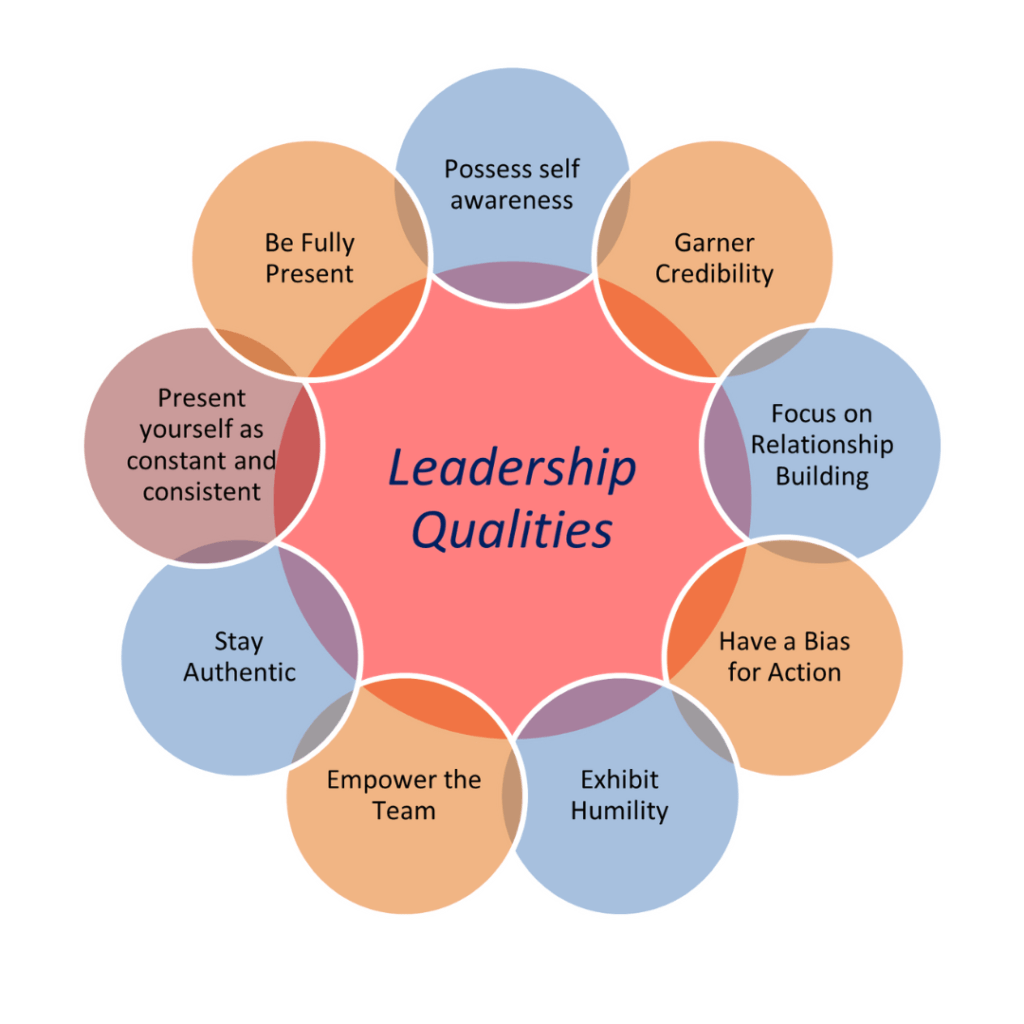
Leadership Qualities
Leadership qualities are intrinsic attributes that define effective leaders. Developing these qualities strengthens personal and professional impact.
-
Visionary Thinking – Anticipates trends, sets goals, and motivates teams.
-
Communication Skills – Conveys ideas clearly and persuasively.
-
Integrity – Demonstrates honesty, ethics, and transparency.
-
Emotional Intelligence – Understands and manages emotions to improve teamwork.
-
Adaptability – Adjusts to change while remaining calm and focused.
-
Decision-Making Ability – Assesses situations and makes effective choices.
-
Empathy – Builds trust and understanding with team members.
-
Accountability – Accepts responsibility and models high standards.
Leadership Skills
Leadership skills are learned abilities that enhance leadership effectiveness:
-
Communication Skills: Speak clearly, listen actively, and give feedback.
-
Strategic Thinking: Plan for obstacles, opportunities, and long-term goals.
-
Conflict Resolution: Mediate disagreements to maintain harmony.
-
Delegation: Assign tasks based on team strengths for efficiency.
-
Time Management: Prioritize responsibilities and meet deadlines.
-
Problem-Solving: Identify issues, analyze options, and implement solutions.
-
Motivation & Inspiration: Encourage teams to reach full potential.
Types of Leadership
Understanding different leadership styles helps tailor approaches for success:
-
Transformational Leadership: Inspires innovation and personal growth.
-
Servant Leadership: Prioritizes team needs and fosters collaboration.
-
Autocratic Leadership: Makes independent decisions, effective in high-pressure situations.
-
Democratic Leadership: Promotes participation and feedback.
-
Laissez-Faire Leadership: Empowers teams while offering guidance as needed.
Developing Leadership Qualities
Leadership traits can be nurtured through:
-
Self-Assessment: Identify strengths and weaknesses.
-
Continuous Learning: Engage in training, workshops, and mentoring.
-
Experience: Gain hands-on leadership through projects or team management.
-
Feedback and Reflection: Use constructive criticism to improve performance.
Benefits of Strong Leadership
Effective leadership drives growth, engagement, and performance:
-
Enhanced Decision-Making: Enables strategic, timely decisions.
-
Personal Growth: Builds confidence, resilience, and adaptability.
-
Organizational Success: Promotes business growth and strong culture.
-
Increased Influence: Inspires others toward shared goals.
Leadership in Different Contexts
-
Business Leadership: Direct teams, execute strategies, and drive growth.
-
Educational Leadership: Oversee institutions, programs, and development initiatives.
-
Community Leadership: Advocate for causes and lead social change.
-
Personal Leadership: Exercise self-discipline, vision, and goal achievement.
Challenges of Leadership
Leaders face several obstacles:
-
Conflict Resolution: Maintaining harmony during disagreements.
-
Time and Resource Management: Balancing multiple priorities.
-
Sustaining Motivation: Keeping teams engaged over time.
Effective leaders use strategy, adaptability, and persistence to overcome these challenges.
Future of Leadership
Modern leadership emphasizes:
-
Emotional Intelligence – Understanding and managing diverse team dynamics.
-
Diversity and Inclusion – Leading across cultures and perspectives.
-
Adaptability – Responding to fast-changing environments.
-
Digital Literacy – Utilizing technology for decision-making and collaboration.
Future leaders will drive innovation, manage complexity, and inspire growth across personal and organizational contexts.
Conclusion
Leadership qualities and skills are essential for achieving success. Effective leaders inspire, guide, and motivate teams to reach goals while fostering trust and collaboration.
By developing vision, communication, empathy, adaptability, and accountability, individuals can make a lasting impact in business, education, community, and personal life.
Continuous learning, experience, and reflection enhance leadership abilities, helping individuals gain respect, influence, and long-term success.

